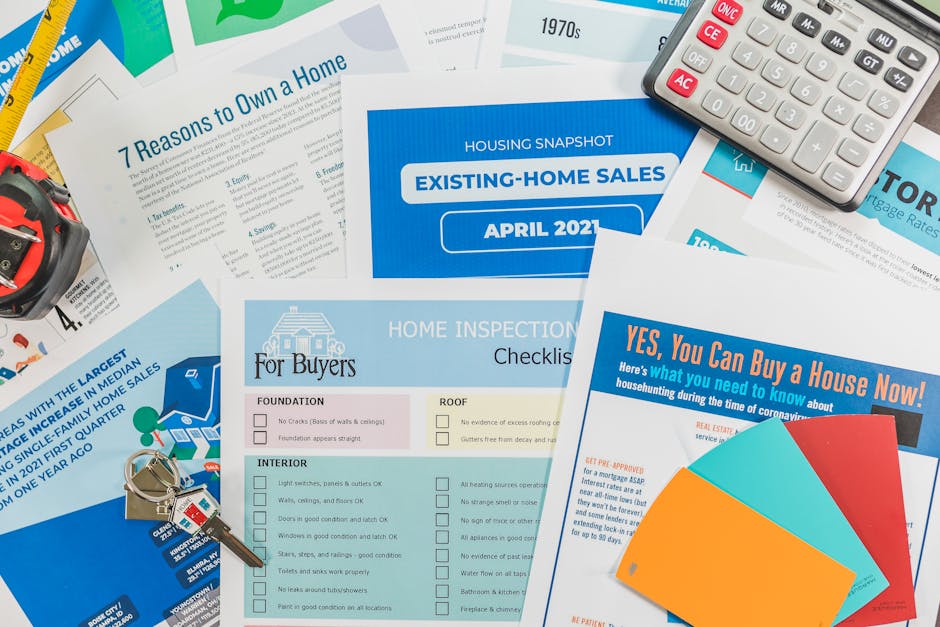
Buying your first home is an exciting milestone, but the process can feel overwhelming when you do not know what comes next. Breaking it into clear steps helps you stay organized and confident. This guide walks you through the step by step buying process for first time home buyers, from checking your finances to receiving the keys. Each stage builds on the last, so you can move forward with a clear plan.
Step 1: Prepare Your Finances
Before you start looking at homes, take a close look at your financial situation. First time home buyers should set a realistic budget, boost their credit score, and save for a down payment. A strong financial foundation makes the rest of the process smoother.
Check Your Credit Score
Most mortgages require a minimum credit score of 620. This applies to conventional loans and many other loan types. If your score is below that, take a few months to pay down debts and correct any errors on your credit report. A higher score can also help you qualify for better interest rates.
Calculate Your Debt to Income Ratio
Lenders look at your debt to income ratio, ideally 45% or under. This means your total monthly debts, including your future mortgage payment, should not exceed 45% of your gross monthly income. Keeping this ratio low improves your chances of approval.
Understand the 30% Guideline
A common recommendation is that your monthly mortgage payment should not exceed 30% of your gross income. This includes principal, interest, taxes, and insurance. Use this guideline to estimate a comfortable price range for your new home.
Save for a Down Payment
The average down payment for a home is around 6%. However, you do not necessarily need that much. FHA loans allow a down payment as low as 3.5%, and conventional loans may require as little as 5%. Some lenders offer 3% down options. The traditional advice to put 10% to 20% down helps you avoid private mortgage insurance, but it is not a requirement for first time buyers.
Plan for Closing Costs
Closing costs are fees paid at the end of the home buying process. In many areas, closing costs typically range from 2.5% to 5% of the home's purchase price. The exact amount depends on your lender, location, and loan type. Be sure to budget for this expense on top of your down payment.
Step 2: Get Pre Approved for a Mortgage
Pre approval is a critical step for any first time buyer. A lender reviews your income, assets, and credit history to determine how much you can borrow and gives you a pre approval letter. This letter shows sellers that you are a serious buyer and have financing lined up.
Real estate agents often require a pre approval letter before they will submit an offer on your behalf. Pre approvals are typically valid for 60 to 90 days, so time your application close to when you plan to start house hunting.
When shopping for a mortgage, compare rates from multiple lenders. Mortgage rate shopping within a 45 day window counts as a single credit inquiry, so you can compare offers without hurting your credit score.

Step 3: Find a Real Estate Agent
A buyer's agent represents your interests during the home buying process. They help you find properties, negotiate offers, and navigate paperwork. For first time buyers, a knowledgeable agent can explain each step and answer your questions. Look for an agent who works with first time home buyers regularly and understands local market conditions.
Step 4: Start House Hunting
With your pre approval in hand and an agent by your side, you can start touring homes. Focus on properties within your budget that meet your must have criteria. Keep an open mind about location, size, and condition. Your agent can help you narrow down options based on your needs and schedule showings.
During this phase, avoid making any major financial changes. Do not change jobs, apply for new credit, or make large cash purchases. Lenders will check your financial status again before closing, and any changes could delay or derail your loan.
Step 5: Make an Offer
When you find the right home, your agent will help you write a purchase offer. The offer includes the price you are willing to pay, along with contingencies such as a home inspection and financing contingency. Your agent will also advise on an appropriate earnest money deposit, which shows the seller you are serious.
The seller may accept your offer, reject it, or make a counteroffer. Negotiations can go back and forth until both parties agree. Once the seller accepts your offer, you move into the contract phase.
Step 6: Get a Home Inspection and Appraisal
After your offer is accepted, the home buying process enters the due diligence period, which typically lasts a few weeks. Two important events happen during this time.
Home Inspection
A home inspection is strongly recommended but not required by lenders. The inspector examines the property for structural issues, plumbing, electrical systems, roofing, and other defects. You can negotiate repairs or a price reduction based on the inspection report if problems are found. Inspection may be included as a contingency in your contract, allowing you to back out if major issues arise.
Home Appraisal
Your lender orders a home appraisal to determine the market value of the property. The appraiser compares the home to similar recently sold homes in the area. If the appraised value is lower than your offer price, you may need to renegotiate or bring additional funds to closing. The appraisal protects the lender from lending more than the home is worth.

Step 7: Finalize Your Mortgage and Close
Once the inspection and appraisal are satisfactory, your lender works through the final underwriting process. You will provide any remaining documents and lock in your interest rate. The mortgage process typically takes 30 to 60 days from accepted offer to closing.
At closing, you sign all loan documents, pay your down payment and closing costs, and officially become the homeowner. Before the closing, review the closing disclosure carefully to ensure all fees match what you expected.
Frequently Asked Questions
What credit score do I need as a first time home buyer?
For most conventional loans, you need a minimum credit score of 620. FHA loans may accept lower scores. Check with your lender for specific requirements, as each loan program has its own criteria.
How much down payment do I really need?
The average down payment is around 6%, but you can put down as little as 3.5% with an FHA loan or 5% with a conventional loan. Some lenders offer 3% down programs. A 20% down payment avoids private mortgage insurance but is not required.
How long does the entire home buying process take?
The time from an accepted offer to closing typically ranges from 30 to 60 days. The full process, including pre approval and house hunting, can take several months depending on market conditions and your readiness.
Can I shop around for a mortgage without hurting my credit?
Yes. Mortgage rate shopping within a 45 day window counts as a single credit inquiry. You can compare rates from multiple lenders during that period without additional impact on your credit score.
Following these steps will help you navigate the buying process with less stress. Each stage builds a solid foundation for the next, and with the right team in place you can confidently move from financial preparation to closing day. Verify all program details and rates with your lender and real estate agent to ensure they fit your specific situation.